

A New Era of Energy Conversion
Imagine harnessing the residual heat from your car’s engine to charge your phone, or using the warmth of your coffee cup to power a small sensor. This allure stems from the potential of thermoelectric technology, where temperature differences create energy, and energy, in turn, can manipulate temperatures. A new class of materials embodies this potential: flexible, lightweight thermoelectric plastics.

The Thermoelectric Effect: From Curiosity to Innovation
At the heart of this revolution is a remarkable phenomenon: the thermoelectric effect. In the 1820s, researchers discovered this effect. When two different conductors connect and heat one side, they generate electricity. This temperature differential creates a voltage, causing electricity to flow. Applying a voltage to these materials creates a temperature difference, enabling their use in cooling technologies.

The Rise of Thermoelectric Plastics
The rigidity and potential toxicity of traditional thermoelectric materials have limited their use, consequently slowing the adoption of the technology. Engineers create conductive polymers from plastics. They can conduct electricity. They are a strong alternative. These materials are flexible, lightweight, and may be cheaper and greener to produce.

PMHJ: A Star Material Emerges
A big advance in this field is the rise of polymeric multi-heterojunctions (PMHJ). Chinese researchers developed a novel material with a complex, layered composition. Electrons pass through unhindered while preventing the transfer of heat. Early research suggests PMHJ could outperform existing materials at a specific temperature range. “Imagine a multi-layered cake, each layer enhancing the flavor. That’s the essence of PMHJ. It’s a structure where each layer boosts its thermoelectric properties.”
Overcoming Challenges, Unlocking Potential
PMHJ is not a magic bullet. It represents one contender in the field of thermoelectric plastics. Researchers are exploring other promising materials, such as PEDOT:PSS. These materials have many potential applications, including transparent electrodes and thermoelectric generators. It is crucial to compare the strengths and weaknesses of these materials. This will help us find the best ones for specific applications.
To better understand the trade-offs between these promising materials, consider the following comparison:
| Material | Advantages | Disadvantages | Potential Applications |
|---|---|---|---|
| PMHJ | High efficiency (within a specific temperature range), lightweight, flexible | Still in early research stages, production scale-up needed | Wearable tech, waste heat recovery in vehicles |
| PEDOT:PSS | Readily available, cost-effective, can be made transparent | Lower efficiency compared to PMHJ | Transparent electrodes, flexible displays, sensors |

The Road Ahead: Research and Innovation
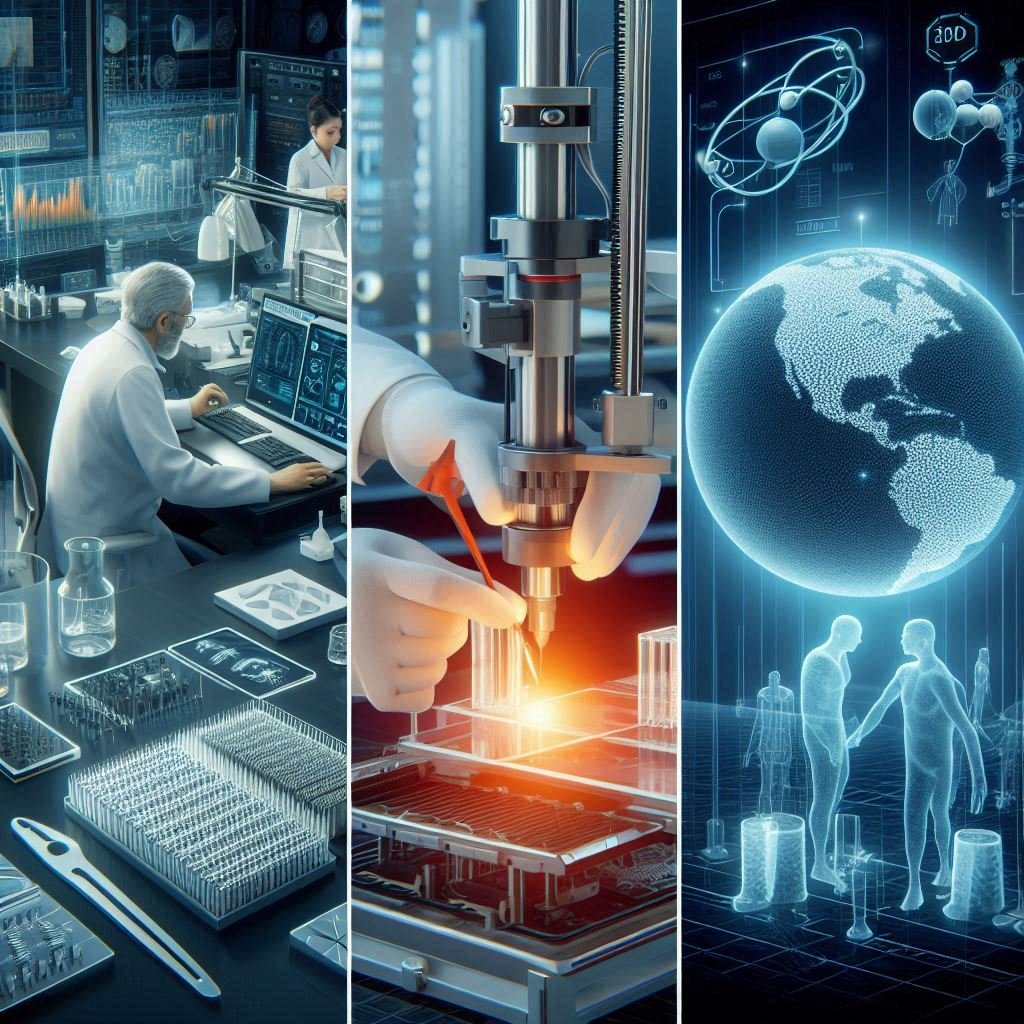
As research progresses, three key areas are critical. They can propel thermoelectric plastics from the lab to our daily lives.
- Boosting Efficiency: A key goal is to raise the material’s “figure of merit (ZT).” It measures its energy conversion efficiency. Researchers are exploring various strategies to achieve this. They include optimizing material composition, doping, and manipulating nanostructures.
- Scaling Up Production: We must move from small lab synthesis to cheap mass production. It’s key for widespread adoption. We will optimize existing techniques, like solution coating. We’ll also explore new methods, like 3D printing. Researchers are actively seeking scalable ways to produce these materials.
- Prioritizing Sustainability: Sustainability hinges on lifecycle assessment. Examine raw material sourcing, processing methods, usage patterns, and disposal practices. Distinct environmental impacts characterize each phase. A full review of these impacts will ensure the tech’s viability and our planet’s health. This approach protects both innovation and ecology. A Future Powered by Temperature Differences.
A Future Powered by Temperature Differences
The journey toward a future powered by thermoelectric plastics is well underway. GMZ Energy and the University of California, Santa Barbara, lead this field. They are developing and refining technologies to transform energy generation and use.
The future is bright – and flexible. Thermoelectric plastics could change how we use energy. They may let us power devices and reduce waste heat. They could help create a sustainable future, all using temperature differences.

FAQs
1. What are thermoelectric plastics?
- Thermoelectric plastics are new materials. They can convert temperature differences into electrical energy and vice versa. They are flexible and lightweight. They could revolutionize how we power our devices and use waste heat.
2. How do thermoelectric plastics work?
- These materials work based on the thermoelectric effect. A temperature difference across the material causes electrons to flow. They move from the hot side to the cold side, generating electricity. The opposite is also true: applying electricity can create a temperature difference.
3. What are the potential applications of thermoelectric plastics?
- The potential applications are vast. They power wearables and sensors. They recover waste heat in vehicles and factories. They could also lead to more efficient cooling systems and energy-harvesting devices.
4. When will thermoelectric plastics be widely available?
- While still under development, research is progressing rapidly. Some companies are exploring commercial uses for PEDOT:PSS. One use is transparent electrodes. Wider adoption depends on overcoming challenges in material efficiency and production scale-up.
5. Are thermoelectric plastics environmentally friendly?
- Their environmental impact depends on the specific materials and production methods used. But they could cut energy use and use waste heat. So they hold promise for a more sustainable future.
If you are interested in learning about solar eclipses, read our detailed guide on solar eclipses.